Created Thursday, Sep 9th 2021 16:28Z, last updated Monday, Feb 20th 2023 19:53Z
A SAS Scandinavian Airlines Airbus A320-200N, registration SE-ROJ performing flight
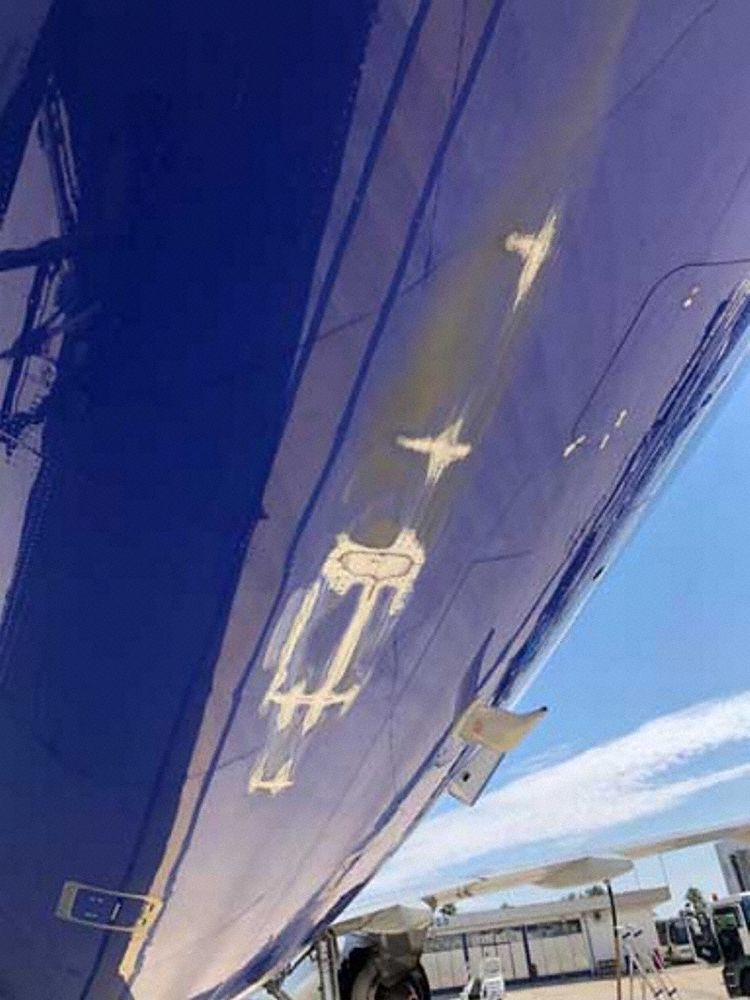
SK-7347 from Bergen (Norway) to Split (Croatia) with 168 passengers and 6 crew, landed on Split's runway 05 at 12:34L (10:34Z) but struck its tail onto the runway surface. The aircraft rolled out without further incident and taxied to the apron.
On Sep 9th 2021 Croatia's AIN (Accident Investigation Board) reported they have opened an investigation into the occurrence.
The aircraft was still on the ground in Split 5 days later.
On Feb 20th 2023 the Croatian AIN released their final report via the Swedish Haverikommission concluding the probable cause was:
Immediate cause of the subject serious incident was high pitch at touchdown.
Contributing factors that preceded the serious incident are:
- Significant tailwind gradient in the last 70ft
- Flight technique during landing
- Activation of angle of attack protection just before touchdown
The AIN analysed (quoted in its entirety):
For the purposes of analysing the course of the subject event, ali data available from the aircraft operator, the aircraft manufacturer, and the investigative bodies of France, Sweden and Norway were used.
lt can be determined that the aircraft operator and aircraft manufacturer actively participate in the education of the flight crew regarding the ta il strikes du ring take-off and landing. The flight crew was qualified to perform the flight in question, and the aircraft was technically serviceable.
By analysing the available data about the flight from the aircraft systems, as weil as other available information sources, it can be concluded that in the final phase of landing there was a significant change in the wind gradient, which significantly affected on the outcome of the event itself. Due to the changes in the pitch and angle of attack of the aircraft during landing and touchdown, the high angle of attack protection system was activated for less th an one second. The flight crew of the aircraft was aware of possible changes in the direction and strength of the wind in the final phase of the approach.
ln the documentation available from the manufacturer, some of the stated possible causes and contributing factors of such events correspond to the established conditions under which the subject serious incident occurred, such as changes in the wind gradient and/or landing bounce.